Transform Your Craft Space with a Magazine Style A2 Card Box
In the vibrant world of paper crafting, there is a distinct joy in creating handmade greeting cards. Whether you are preparing for the holiday rush, organizing birthday sentiments, or crafting sympathy notes for friends in need, the process is deeply rewarding. However, every crafter eventually faces a common challenge: storage. As your collection of finished cards and matching envelopes grows, so does the clutter. This is where the Magazine Style A2 Card Box emerges as a game-changer. More than just a container, this project represents a fusion of functionality and aesthetic appeal, designed specifically to keep your A2 greeting cards tidy, accessible, and beautifully displayed.
For those familiar with digital cutting machines like Cricut or Silhouette, the concept of using an SVG file to create physical organization tools might seem straightforward, but the implications for your workflow are profound. This article explores the purpose, significance, and practical application of the Magazine Style A2 Card Box, helping you understand why this specific design has become a staple for modern crafters.
Why Organization Matters in the Creative Process
Before diving into the technical specifications of the box, it is essential to understand the broader context of organization in creativity. Many people assume that crafting is purely about the act of making—cutting, gluing, and decorating. While true, the environment in which you create significantly impacts your efficiency and mental clarity. A disorganized space can lead to wasted time searching for specific cards or damaged projects due to improper storage.
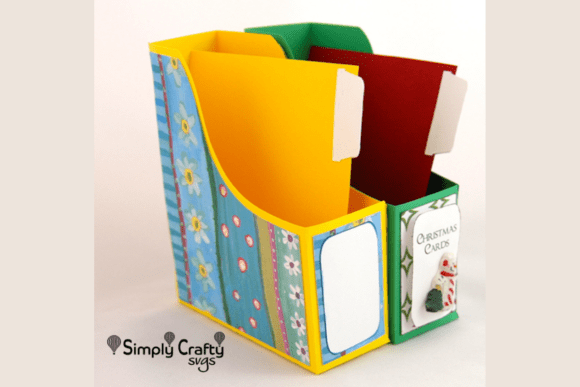
The Magazine Style A2 Card Box addresses this by offering a dedicated home for your creations. Unlike generic plastic bins that hide your work away, this box is designed to look like a mini magazine file. This aesthetic choice is intentional; it invites you to see your stored cards as part of your decor rather than clutter. By sorting themed cards—such as Christmas, Birthday, or Sympathy—into separate boxes, you streamline your life. When a special occasion arises, you aren't scrambling to find a card; you simply reach for the appropriately labeled magazine file.
Understanding the A2 Standard
To fully appreciate the utility of this box, one must understand the A2 card size. In the greeting card industry, A2 is the most popular standard size, measuring 4.25 inches by 5.5 inches when folded. It fits perfectly into a standard A2 envelope (4.375" x 5.75"). The Magazine Style A2 Card Box is engineered with precision to hold 5–6 of these cards along with their envelopes.
The finished dimensions of the box are approximately 2″ x 6″ x 5″. These measurements are not arbitrary; they are calculated to ensure a snug fit that prevents the cards from sliding around and getting bent, while still allowing for easy removal. This attention to detail highlights the importance of using the correct digital files (SVG) tailored to specific paper standards.
The Role of SVG Files in Modern Crafting
The backbone of this project is the Magazine Style A2 Card Box SVG File. For beginners, the term "SVG" (Scalable Vector Graphics) might sound technical, but in the crafting world, it simply means a digital blueprint that tells your cutting machine exactly where to cut, score, and fold.
Using an SVG file offers several advantages over manual measuring and cutting:
- Precision: Machines like Cricut and Silhouette execute cuts with microscopic accuracy, ensuring that tabs align perfectly with slots.
- Repeatability: Once you have mastered the assembly of one box, you can produce dozens more with consistent results.
- Customization: Because the file is digital, you can easily resize elements or modify the design to fit different needs, provided you understand the structural integrity of the box.
It is a common misunderstanding that SVG files are only for complex, multi-layered art projects. In reality, they are incredibly practical for functional items like organizers. The file for this magazine box includes all the necessary panels, dividers, and structural supports, turning a potentially hours-long measuring task into a matter of minutes.
Material Requirements and Paper Selection
Success in crafting often hinges on material selection. For the Magazine Style A2 Card Box, the structural integrity relies heavily on the weight and texture of the cardstock. The recommended materials include:
- Box Structure: Two sheets of 12″ x 12″ cardstock. This forms the main body of the magazine file.
- Decorative Panels: One sheet of 12″ x 12″ cardstock. This is used for the front and side panels that give the box its "magazine" look.
- Dividers: One sheet of 8.5″ x 11″ cardstock for every two dividers needed inside the box.
Many crafters ask if they can use scrap paper for this project. While smaller paper can be used for remaining elements like labels or small embellishments, the primary structure requires full sheets to ensure the cuts are continuous and the scores are accurate. A highly recommended product for this build is the American Crafts AC Textured Cardstock. Its 12 x 12 inch format is ideal, and the textured finish adds a professional, high-end feel to the final organizer. The texture also helps hide minor fingerprints and wear over time, keeping your organizer looking new.
Assembly and Customization Strategies
One of the most exciting aspects of this project is the ease of customization. Because the box acts as a canvas, you can tailor it to match your craft room decor or the specific theme of the cards inside.
Patterned Paper Integration: You are not limited to solid colors. By using patterned paper for the outer panels, you can create a visual indexing system. For instance, use red and green patterns for your Christmas box, pastels for birthdays, and muted tones for sympathy cards. This visual cue allows you to locate what you need instantly.
Labeling: The design often includes a dedicated space for a label on the spine or front. You can hand-letter these, use a label maker, or even cut out custom titles using your machine and leftover cardstock scraps. This step transforms a generic box into a personalized organizational tool.
Regarding assembly, while no video tutorial is available for this specific product, comprehensive step-by-step instructions are included in a downloadable PDF file. These guides typically walk you through the scoring lines (which are crucial for clean folds), the gluing sequence, and how to insert the dividers securely. The process generally involves applying glue to specific tabs and folding the scored lines at 90-degree angles. Patience during the drying phase ensures a sturdy box that won't warp under the weight of the cards.
Fitting Into Modern Life and Business
Beyond the hobbyist, the Magazine Style A2 Card Box holds significant relevance for small business owners and educators. For those who sell handmade cards at craft fairs or online, presentation is everything. Displaying inventory in these stylish magazine files looks far more professional than stacking cards in plastic bags. It elevates the perceived value of the product.
In an educational setting, such as a school art class or a community workshop, these boxes serve as excellent portfolio holders. Students can store their completed projects in a way that protects them from damage while allowing teachers to flip through and assess work easily. Furthermore, in our digital age, the tactile nature of organizing physical cards provides a grounding, mindful activity. It encourages a slower pace of life where sentiments are valued and preserved rather than deleted with a swipe.
Common Misconceptions and Tips for Success
As you embark on creating your own magazine style boxes, keep the following clarifications in mind to avoid frustration:
- "I need expensive tools." False. While rotary trimmers and scoring boards are helpful, the SVG file is designed to work with standard electronic cutters. If you don't have one, many local libraries or maker spaces offer access to these machines.
- "It's too small." The 2″ width is deliberate. Overfilling a card box makes it difficult to remove cards without bending them. The 5–6 card capacity ensures easy access and protection.
- "Glue is messy." Using a fine-tip glue pen or a tape runner can minimize mess and provide a stronger bond than liquid white glue, which can warp thin cardstock.
Additionally, remember that SVG files are letter-size compatible if ungrouped. This means if you are working with a machine that has a smaller mat or specific software constraints, you can manipulate the file components individually before sending them to cut.
Conclusion: A Practical Step Toward Creativity
The Magazine Style A2 Card Box is more than a simple DIY project; it is a testament to the power of thoughtful design in everyday life. By combining the precision of digital cutting technology with the tactile satisfaction of paper crafting, you create a solution that is both practical and pretty. Whether you are a seasoned cardmaker looking to declutter your studio or a beginner eager to organize your first batch of holiday greetings, this box offers the perfect balance of form and function.
Embracing tools like the Magazine Style A2 Card Box SVG File allows you to take control of your creative output. It turns chaos into order and transforms simple cardstock into a lasting organizational asset. So, gather your American Crafts cardstock, fire up your cutting machine, and start building a system that honors the time and love you put into every handmade card. Your future self—and your recipients—will thank you for the care and organization you bring to your crafting journey.