Elevating Event Design with Versatile Wedding Stationary Cards and Boxes
The first impression of any celebration is not set by the venue decor or the catering menu, but by the invitation that arrives in the mail. In an era where digital communication dominates daily life, physical wedding stationary cards and boxes have evolved from mere informational tools into tangible keepsakes. They set the tone for the event, offering guests a preview of the aesthetic and atmosphere they can expect. For modern designers, crafters, and event planners, the ability to create cohesive, high-quality stationery suites is a valuable skill. However, the traditional route of hiring expensive graphic designers or purchasing rigid, pre-made templates often limits creativity and scalability.
This is where comprehensive digital design packages transform the workflow. By utilizing a versatile collection of templates compatible with various cutting machines and printers, creators can produce professional-grade materials with unprecedented flexibility. Whether you are designing for a lavish wedding, an intimate anniversary, or a corporate gala, having access to a unified suite of files ensures that every element, from the invitation card to the favor box, speaks the same visual language.
The Power of Cohesive Design Suites
One of the most challenging aspects of event planning is maintaining consistency across different mediums. A common pitfall is mixing fonts, colors, or structural styles between the invitation, the RSVP card, and the table settings. A well-curated digital package solves this by providing 28 matching templates that are designed to work together harmoniously. This cohesion is crucial for branding an event effectively.
When you utilize a single source for your wedding stationary cards and boxes, you eliminate the guesswork involved in pairing disparate elements. The design logic is already embedded in the files. For instance, the curve of a gatefold invitation might mirror the arch of a decorative frame, or the geometric pattern on a cube box might complement the border of the menu card. This level of detail creates a subconscious sense of order and elegance for the guest, enhancing the overall perceived value of the event.
Versatility in Materials and Machines
Modern crafting technology has democratized high-end production. Today’s hobbyists and professionals alike rely on devices like the Cricut, Silhouette Cameo, and various laser cutters to bring designs to life. The true value of a digital design package lies in its compatibility. Files provided in formats such as SVG, PNG, PDF, and STUDIO 3 ensure that the design is accessible regardless of the hardware used.
Consider the material possibilities. While traditional paper remains a staple, these templates are engineered to be cut from a wide array of substrates. You might choose heavy cardstock for a classic feel, acrylic for a modern, transparent look, or even wood for a rustic, organic vibe. Vinyl allows for intricate decals on glassware or mirrors, while metal sheets can create durable, luxurious name tags. This material agnosticism means that the same design file can serve multiple purposes within a single event or be adapted for different clients with varying budget constraints and aesthetic preferences.
Breaking Down the Essential Components
A complete stationery suite is more than just an invitation. It is an ecosystem of paper goods that guide the guest through the experience. A robust digital package typically includes several key categories, each serving a specific functional and decorative purpose.
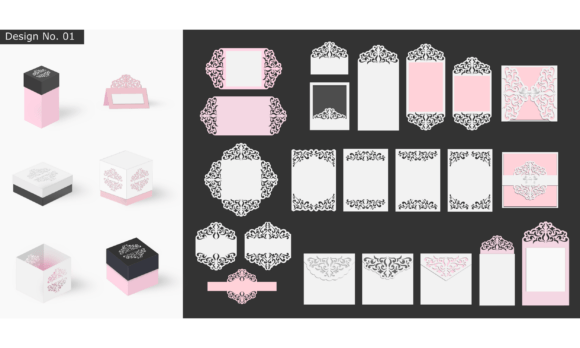
- Invitation Cards: The centerpiece of the suite. Options usually include folded cards for a traditional reveal, gatefolds for a dramatic opening experience, and flat cards for a minimalist approach. Including RSVP and menu cards in the same design language ensures that the informational flow remains seamless.
- Envelopes: Often overlooked, the envelope is the first physical touchpoint. Pocket envelopes allow for layered inserts, keeping all information organized. Trifold and square envelopes offer unique structural interests that stand out in a mailbox full of standard rectangular mail.
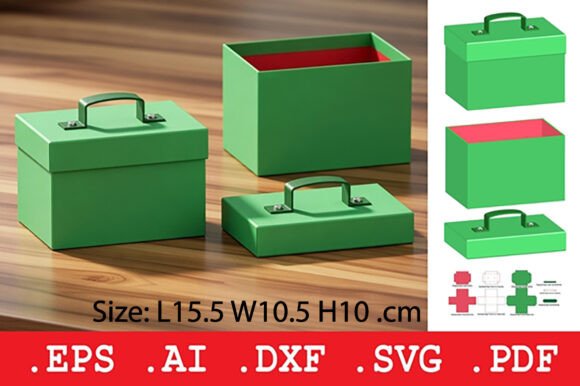
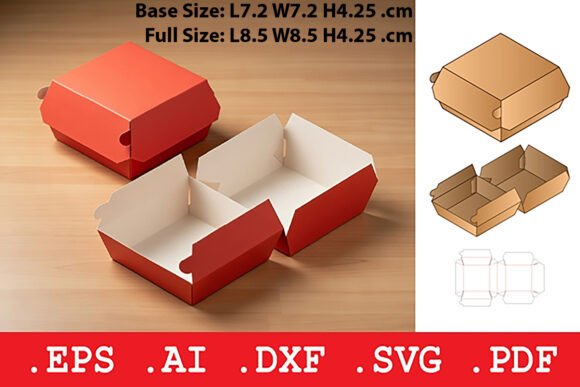
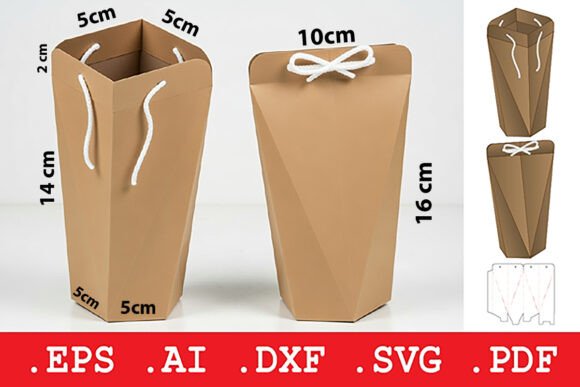
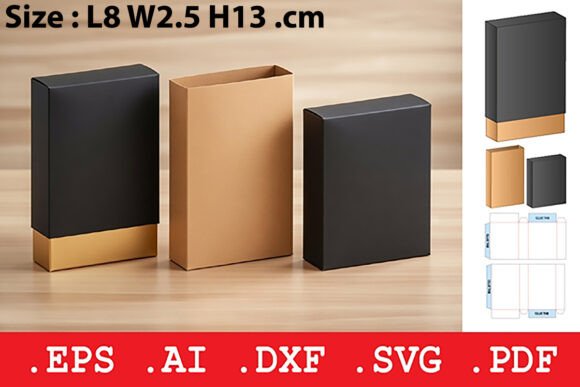
- Gift Favor Boxes: These serve as both packaging and decor. Cube boxes are versatile for candies or small trinkets, while tall boxes suit bottles or slender gifts. Votive holder boxes add an ambient lighting element to tables, merging function with atmosphere.
- Decorative Pieces: The finer details often make the biggest impact. Name cards, labels, tags, bands, and frames help organize the event space. They guide seating arrangements, label food stations, and add personalized touches to party favors.
By having all these elements available in one download, designers save hours of sourcing and formatting time. Instead of hunting for a matching font for the place cards or trying to resize a box template to fit a specific gift, everything is ready to go. This efficiency is particularly beneficial for small businesses or freelance designers who need to turn around projects quickly without sacrificing quality.
Customization and Scalability
No two events are identical, and rigid templates can feel restrictive. The best digital assets are fully resizable, allowing users to adapt dimensions to their specific needs. Whether you need a jumbo invitation for a destination wedding or miniature tags for jewelry favors, the vector-based nature of SVG and PDF files ensures that scaling up or down does not compromise image quality or cut lines.
Furthermore, the ability to request custom sizes or other formats adds a layer of professional service to the user experience. This flexibility supports a "print-and-cut" workflow as well as pure digital cutting. For those without access to cutting machines, the PDF files can be sent directly to professional printers, while the cut lines remain visible for manual trimming if necessary. This dual utility broadens the audience for these designs, making them suitable for both DIY enthusiasts and professional print shops.
Integrating into Modern Workflows
Incorporating these digital assets into your creative process requires understanding the software ecosystem. Compatibility with Silhouette Studio, SCAL, MTC, and other cutting software means that the learning curve is minimal for most crafters. The files are structured to recognize cut lines, score lines, and print areas automatically, reducing the risk of human error during production.
For event planners, this technology enables rapid prototyping. You can cut a sample box from scrap paper to test the fit, adjust the design if needed, and then proceed to final production with confidence. This iterative process is much faster and cheaper than ordering physical proofs from a manufacturer. It empowers creators to experiment with complex structures, such as interlocking tabs or intricate lace-like patterns, which would be prohibitively expensive to produce through traditional die-cutting methods for small batches.
Moreover, the trend towards sustainability in event planning is supported by digital downloads. There is no physical waste associated with shipping templates, and users can choose eco-friendly materials like recycled paper or biodegradable woods. By printing only what is needed, couples and planners can reduce excess inventory and minimize their environmental footprint.
Practical Considerations for Selection
When choosing a digital package for wedding stationary cards and boxes, consider the complexity of the designs relative to your machine’s capabilities. Intricate laser-cut patterns require high-precision equipment, while simpler shapes are ideal for beginner-level die-cutters. Always check the file formats included; SVG is essential for cutting machines, while PNG is useful for digital previews or sublimation printing. PDFs are critical for ensuring that text and layout remain consistent across different viewing platforms.
Additionally, think about the assembly time. Some designs, like complex pocket envelopes or multi-part favor boxes, may require more folding and gluing than others. For large weddings, simpler structures might be more practical to assemble in bulk, whereas for intimate gatherings, elaborate designs can add a special touch without becoming a logistical burden.
Ultimately, the goal is to create a memorable experience. High-quality, cohesive stationery signals to guests that care and attention to detail have been invested in their celebration. By leveraging versatile, compatible, and comprehensive digital design packages, creators can achieve this level of polish efficiently and affordably. The result is a beautiful, unified presentation that honors the significance of the occasion and leaves a lasting impression long after the event has concluded.