The Pinwheel Pattern: Elevating Design with Dynamic Motion and Precision Cutting
In the evolving landscape of digital fabrication and creative design, static imagery is increasingly giving way to structures that imply movement, depth, and interactivity. At the forefront of this shift is the Pinwheel Pattern, a geometric design motif that transcends its childhood origins to become a sophisticated tool for modern creators. Whether utilized in high-end event styling, intricate paper engineering, or scalable vector graphics for commercial production, the pinwheel represents a convergence of aesthetic charm and technical precision. For professionals, entrepreneurs, and hobbyists alike, mastering this pattern offers a unique opportunity to blend nostalgia with contemporary manufacturing capabilities.
Understanding the Mechanics of the Pinwheel Pattern
At its core, the Pinwheel Pattern is a study in radial symmetry and kinetic potential. Unlike standard circular designs, a pinwheel relies on asymmetric cuts radiating from a central point, allowing the material to fold and catch air or light in a specific direction. This structural integrity requires precise calculation. When designing for cutting machines such as the Cricut Explore, Silhouette, or Brother scanners, the tolerance for error is minimal. A deviation of even a millimeter can result in a pinwheel that fails to spin or collapses under its own weight.
The appeal of this pattern lies in its duality. It is simultaneously simple enough for a child to assemble and complex enough to challenge professional graphic designers. This versatility makes it a staple in various creative workflows. By leveraging double-sided paper, creators can enhance the visual impact, ensuring that both sides of the design are visible once assembled. This technique transforms a flat, two-dimensional cut into a three-dimensional object that changes appearance depending the viewer’s perspective, adding a layer of sophistication often missing in single-layer crafts.
Market Trends and the Rise of Experiential Design
The resurgence of the pinwheel is not merely a nostalgic trend; it is a response to broader market shifts toward experiential design and personalized decor. In the events industry, there is a growing demand for installations that are not only visually striking but also interactive. We have observed a significant uptick in brides opting for bouquets made entirely of pinwheels instead of traditional flowers. This choice reflects a desire for sustainability, longevity, and a whimsical aesthetic that photographs exceptionally well. These paper bouquets do not wilt, can be customized to match exact brand colors or wedding themes, and serve as lasting keepsakes.
Furthermore, the trend aligns with the "maker economy," where consumers value handmade, artisanal quality over mass-produced uniformity. Entrepreneurs and freelancers who offer custom pinwheel designs are tapping into a market that prizes uniqueness. Whether creating adorable cupcake toppers for birthday parties or large-scale decorations for corporate launches, the ability to produce bespoke, high-quality pinwheels positions creators at the intersection of art and commerce. The Pinwheel Pattern thus becomes more than a shape; it becomes a product line, a branding element, and a statement of creative intent.
Adapting to Changing Consumer Preferences
Modern consumers are increasingly discerning about the materials and methods used in the products they purchase. There is a marked preference for eco-friendly options, and paper-based pinwheels fit this criterion perfectly, especially when sourced from recycled or sustainably managed forests. Additionally, the demand for customization has skyrocketed. Clients no longer want off-the-shelf decorations; they want items that reflect their personal style or brand identity. The pinwheel’s modular nature allows for endless variation in color, size, and pattern, making it an ideal candidate for bespoke orders.
This shift necessitates a change in workflow for designers and manufacturers. It is no longer sufficient to provide a single static design. Instead, creators must offer flexible file formats that accommodate various production methods. This is where the technical aspect of the Pinwheel Pattern becomes crucial. By providing files in multiple formats, designers empower their clients to choose the production method that best suits their resources and skills.
Technical Workflow: File Formats and Machine Compatibility
To fully leverage the potential of the pinwheel design, understanding the technical specifications of digital file formats is essential. Different cutting machines and software ecosystems require specific inputs to ensure precision and ease of use. A comprehensive design package should include the following formats:
- SVG (Scalable Vector Graphics): This is the gold standard for users of Cricut Design Space, Silhouette Studio, and other vector-based cutting software. SVG files allow for infinite scaling without loss of quality, ensuring that whether you are creating a miniature cupcake topper or a giant party decoration, the edges remain crisp and clean. This format is ideal for automated cutting processes where precision is paramount.
- PDF (Portable Document Format): For those who prefer traditional crafting methods, PDFs provide a reliable template for printing and hand-cutting. This format preserves layout and typography, making it easy for users to print at home and assemble manually. It is particularly useful for educational settings or workshops where access to electronic cutting machines may be limited.
- PNG (Portable Network Graphics): While PNGs are raster images and cannot be directly cut by machines, they serve as invaluable references for color selection and visual preview. Designers often include PNGs to show customers exactly how the final product should look, including color gradients and textures that might not be immediately apparent in vector outlines. However, it is important to note that colors in PNGs are fixed and cannot be easily altered for cutting purposes.
- DXF (Drawing Exchange Format): This format is essential for users of industrial-grade machines such as Graphtec plotters or software like AutoCAD. DXF files are widely compatible with various CAD programs and allow for precise engineering of the pinwheel’s structural components. This is particularly relevant for professionals who need to integrate pinwheel designs into larger architectural or installation projects.
By offering this diverse range of file types, creators ensure that their designs are accessible to a broad audience, from casual hobbyists using basic home printers to professional fabricators utilizing industrial equipment. This inclusivity expands market reach and enhances user satisfaction.
Practical Applications and Creative Observations
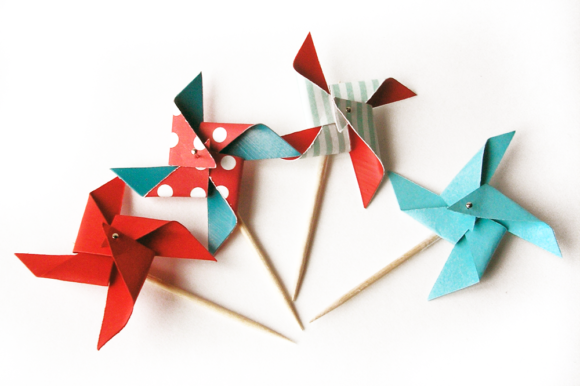
The versatility of the Pinwheel Pattern is evident in its wide array of applications. In the culinary world, small-scale pinwheels serve as elegant cupcake toppers, adding a festive touch to desserts without overwhelming the palate. These miniatures require delicate handling and precise cutting, showcasing the skill of the creator. On the other end of the spectrum, large-scale pinwheels are used in outdoor events and festivals. When constructed with weather-resistant materials, these larger versions can withstand wind and rain, providing dynamic visual interest that changes with the environment.
Observations from recent industry trends suggest that the integration of technology with traditional crafts is accelerating. Augmented reality (AR) apps are beginning to allow users to visualize how pinwheel decorations will look in their space before purchasing. Similarly, online platforms are facilitating the sharing of custom designs, enabling a global community of creators to collaborate and innovate. This connectivity fosters a culture of continuous improvement, where feedback loops between designers and users lead to refined patterns and better user experiences.
Moreover, the educational value of pinwheel construction should not be underestimated. Schools and community centers often use pinwheel projects to teach principles of geometry, physics, and engineering. By assembling a pinwheel, students learn about balance, symmetry, and aerodynamics in a tangible, engaging way. This educational angle opens up additional markets for designers who can create curriculum-aligned design packages.
Conclusion: The Enduring Appeal of Dynamic Design
The Pinwheel Pattern is more than a decorative element; it is a testament to the power of simple geometry combined with modern technology. As creators continue to explore new materials and methods, the pinwheel remains a relevant and adaptable design choice. Its ability to bridge the gap between digital precision and tactile craftsmanship makes it an invaluable asset for professionals across various industries. By understanding the technical requirements and market trends associated with this pattern, designers and entrepreneurs can create products that resonate with contemporary audiences.
Whether you are a freelancer looking to expand your portfolio, a marketer seeking unique promotional items, or an enthusiast passionate about paper crafts, the pinwheel offers endless possibilities. Embrace the dynamic nature of this pattern, experiment with different file formats and materials, and discover how this timeless design can elevate your creative projects. In a world that values both innovation and tradition, the pinwheel stands as a symbol of balanced, forward-thinking design.