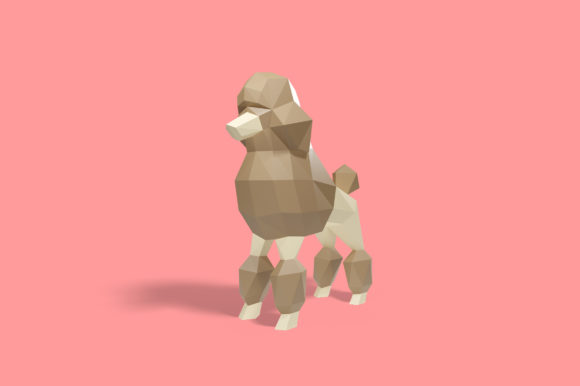
Strategic Design Thinking Through the DIY Papercraft Poodle Puppy Model
In an era dominated by digital abstraction, there is profound strategic value in returning to tangible, manual creation. The DIY Papercraft Poodle Puppy Model is not merely a leisure activity; it is a structured exercise in spatial reasoning, patience, and precision execution. For professionals, educators, and creators, engaging with this project offers a unique opportunity to disconnect from the rapid-fire demands of screens and reconnect with the fundamentals of form and function. By converting 2D templates into a sophisticated 3D structure, you engage in a process that mirrors high-level project management: planning, resource allocation, iterative refinement, and final assembly.
The finished model stands at an impressive height of 15.5 inches, with a width of 5 inches and a depth of 12.3 inches. These dimensions are not arbitrary; they require careful consideration of scale and structural integrity. Completing this model takes approximately four hours, a timeframe that demands sustained focus and deliberate action. This duration is significant because it forces the practitioner to slow down, evaluate each step, and commit to a long-term outcome rather than seeking instant gratification. In a professional context, this mirrors the discipline required for complex strategic initiatives where quick fixes often lead to long-term failures.
The Strategic Value of Tangible Prototyping
Why should a marketer, entrepreneur, or educator invest time in a paper poodle? The answer lies in the cognitive shift that occurs during manual assembly. When you work with the POODLE PUPPY templates, you are essentially engaging in low-fidelity prototyping. This process enhances your ability to visualize three-dimensional outcomes from two-dimensional data—a skill directly transferable to product design, architectural planning, and even organizational structuring.
Consider the implications for branding and customer experience. A brand that understands the tactile nature of its products can create deeper emotional connections with its audience. By assembling this model, you gain insight into how flat designs translate into physical presence. This understanding can inform packaging design, retail displays, and promotional materials. The act of scoring, folding, and gluing teaches you about material limitations and opportunities, knowledge that is invaluable when making decisions about physical product lines or event setups.
Furthermore, the DIY Papercraft Poodle Puppy Model serves as an excellent tool for team-building and educational workshops. It provides a neutral, non-threatening platform for individuals to collaborate, problem-solve, and communicate effectively. In a corporate setting, such activities can break down silos and foster a culture of creativity and mutual respect. The shared experience of creating something beautiful from simple materials can reinforce team cohesion and inspire innovative thinking.
Resource Planning and Operational Efficiency
Successful execution of any project begins with proper resource planning. For this model, the requirements are specific yet accessible. You will need a printer, glue, scissors, a craft knife, a scorer or bone folder, a non-working ballpoint pen, a ruler, and cardstock paper. The template package includes PDF, SVG, DXF, EPS, PNG, and JPG formats, ensuring compatibility with various software and hardware setups. This versatility allows you to choose the format that best suits your workflow, whether you are using vector-based design tools or standard image viewers.
The material list is precise: seven sheets of white cardstock and three sheets of grey cardstock. The templates are designed in black and white, allowing for customization based on your aesthetic preferences or branding needs. You can print them on colored cardstock to match specific themes or keep them classic with white and grey. This flexibility encourages creative decision-making while maintaining structural consistency. It is a reminder that within constraints, there is room for innovation.
Compatibility is a critical operational consideration. The templates are optimized for A4 size paper. If you are using Letter size paper, you must print at 90 percent scale. Ignoring this detail can lead to misalignment and structural failure, a lesson in the importance of adhering to specifications. In business operations, overlooking such details can result in costly errors and wasted resources. Therefore, attention to detail is not just a recommendation; it is a necessity for success.
- Printer: Ensure high-resolution settings for crisp cut lines.
- Glue: Use a strong, fast-drying adhesive suitable for cardstock.
- Scissors and Craft Knife: Essential for precise cutting of intricate shapes.
- Scorer or Bone Folder: Critical for clean, accurate folds.
- Ruler: Necessary for guiding cuts and ensuring straight edges.
- Cardstock: 7 sheets White, 3 sheets Grey (A4 or Letter at 90%).
Execution Strategy: From 2D to 3D
The transformation from 2D templates to a 3D model is a methodical process that requires patience and precision. Begin by printing the templates full size on your chosen cardstock. Take care to ensure that your printer settings are correct, particularly if you are adjusting for Letter size paper. Once printed, carefully cut out each piece using scissors for outer edges and a craft knife for inner details. Precision at this stage is crucial, as inaccuracies will compound during assembly.
Scoring is the next critical step. Use a scorer, bone folder, or a non-working ballpoint pen along with a ruler to create clean fold lines. This step ensures that the folds are sharp and accurate, contributing to the overall structural integrity of the model. Rushing this phase can result in jagged edges and misaligned parts, undermining the final aesthetic. Think of this as the foundation of your project; a weak foundation leads to a unstable structure.
Assembly involves matching numbers on the flaps and gluing them together. This process requires a systematic approach. Start with the base and work your way up, ensuring that each section is securely attached before moving to the next. The numbered flaps serve as a guide, similar to a project roadmap, helping you navigate the complexity of the model. If you encounter difficulties, pause and reassess. Do not force pieces together; instead, adjust your approach and try again. This iterative problem-solving is a valuable skill in any professional context.
The approximate four-hour completion time is an estimate based on average skill levels. Your actual time may vary depending on your experience and attention to detail. Embrace this variability as part of the learning process. The goal is not just to finish quickly, but to finish well. Quality should always take precedence over speed, especially when the outcome is a representation of your craftsmanship and dedication.
Risk Management and Decision-Making
Engaging in the DIY Papercraft Poodle Puppy Model without clear goals or context can lead to frustration and wasted effort. Just as in business, undertaking a project without a clear understanding of its purpose can result in poor outcomes. Before starting, define your objectives. Are you seeking relaxation, skill development, team bonding, or creative inspiration? Having a clear intent will guide your approach and help you stay motivated throughout the process.
One common risk is underestimating the complexity of the task. While the model is accessible to anyone with a bit of patience, it does require a certain level of dexterity and attention to detail. If you are new to papercraft, consider starting with simpler projects to build your skills before tackling this more advanced model. Alternatively, allocate sufficient time and create a comfortable workspace to minimize stress and maximize focus.
Another risk is neglecting the quality of materials. Using thin or low-quality cardstock can compromise the structural integrity of the model, leading to collapse or deformation. Invest in good quality materials to ensure a durable and aesthetically pleasing result. This principle applies broadly in business; cutting corners on inputs often leads to inferior outputs. Make informed decisions about your resources to support your desired outcomes.
Finally, avoid the trap of perfectionism. While precision is important, obsessing over minor imperfections can hinder progress and diminish enjoyment. Accept that handmade items have character and charm, and that small deviations are part of the process. Focus on the overall result and the satisfaction of creating something with your own hands. This balanced perspective fosters resilience and adaptability, qualities that are essential for long-term success in any endeavor.
Long-Term Impact and Creative Growth
The benefits of completing the POODLE PUPPY model extend beyond the immediate satisfaction of finishing a craft project. The skills and insights gained can have a lasting impact on your personal and professional life. Enhanced spatial reasoning, improved attention to detail, and increased patience are transferable assets that can improve performance in various fields. Moreover, the experience of creating something tangible can reignite your passion for creativity and innovation.
For educators, this model offers a practical way to teach geometry, engineering principles, and artistic expression. It provides a hands-on learning experience that engages students and makes abstract concepts concrete. For entrepreneurs and marketers, it serves as a reminder of the power of physical presence in a digital world. Understanding how to create compelling physical experiences can differentiate your brand and create memorable customer interactions.
Ultimately, the DIY Papercraft Poodle Puppy Model is a testament to the value of intentional creation. It invites you to slow down, focus, and engage with the process of bringing an idea to life. By approaching this project with strategic intent and thoughtful execution, you can achieve not only a beautiful decorative piece but also a deeper appreciation for the art of making. In a world that often prioritizes speed over substance, taking the time to craft something with care is a radical and rewarding act.