Integrating the Zinnia Compote SVG into Your Creative Workflow
For modern crafters and small business owners, the difference between a hobby and a scalable creative enterprise often lies in workflow efficiency. Digital assets are no longer just shortcuts; they are foundational components of a streamlined production process. The Zinnia Compote SVG represents more than a single design file; it is a structured system for creating high-impact, three-dimensional botanical decor. By understanding how to integrate this specific asset into your broader crafting routine, you can reduce decision fatigue, minimize material waste, and ensure consistent quality in your finished pieces.
This article explores the practical implementation of the Zinnia Compote project, examining how it fits into pre-production planning, execution, and final presentation. Whether you are designing centerpieces for a wedding season rush or curating inventory for an online shop, mastering the logistics of complex paper projects is essential for sustainable creativity.
Pre-Production Planning and Asset Evaluation
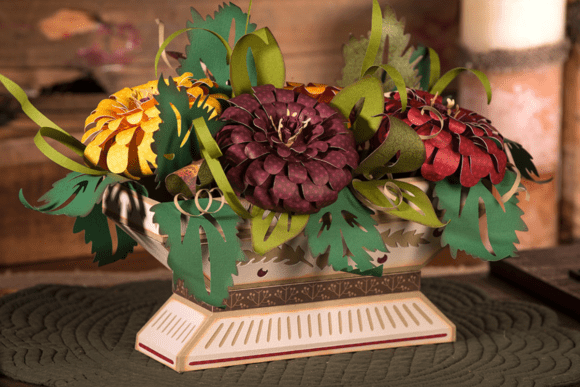
Before sending any file to a cutting machine, successful creators evaluate the scope of the project. The Zinnia Compote SVG is a multi-layered design featuring bold zinnia blooms and vibrant foliage arranged in a decorative bowl. Understanding the complexity of this arrangement allows you to allocate time and resources effectively. Unlike simple two-dimensional decals, this project requires spatial reasoning and assembly precision.
The design is delivered in SVG format, accompanied by a PDF legend. This combination is critical for workflow organization. The SVG ensures compatibility with all major cutting software and machines, particularly those optimized for 12x12 inch mats. The PDF legend serves as your visual map, helping you identify individual pieces and assign colors before you begin cutting. This pre-cutting phase is where most errors are prevented. By reviewing the legend against your available inventory, you can determine if you have the necessary cardstock weights and colors, avoiding mid-project interruptions.
When evaluating this asset for your needs, consider the final dimensions: 9 inches high, 9.5 inches wide, and 5 inches deep. These specifications make it versatile for various settings, from mantels to entryway tables. However, scalability is a key feature. You can resize the project to fit specific spatial requirements, though it is important to note that significant resizing may alter the structural integrity or aesthetic balance of the original design. For professional results, sticking close to the recommended dimensions or testing scaled prototypes is advisable.
Material Selection and Inventory Management
Efficient workflow extends to material management. The Zinnia Compote project requires a specific mix of solid cardstocks and patterned papers. A well-organized supply chain prevents bottlenecks during production. Based on the standard supply list, you will need to prepare the following materials:
- Brown Sugar Cardstock: 3 sheets (12x12). This likely forms the structural base of the compote bowl, requiring durability.
- Evergreen Cardstock: 2 sheets (12x12). Used for foliage, providing contrast and depth.
- Vanilla Cardstock: 1 sheet (12x12). Ideal for lighter floral elements or accents.
- Leaf Cardstock: 1 sheet (12x12). Adds textural variety to the greenery.
- Boysenberry Cardstock: 1 sheet (8.5x11). Provides rich, dark tones for flower centers or shadows.
- Honey Cardstock: 1 sheet (8.5x11). Offers warm, bright highlights.
- Pattern Papers: Including Dark Red, Yellow, Orange, and Brown varieties. These add visual interest and mimic the natural variegation found in real zinnias.
Notice the mix of 12x12 and 8.5x11 sizes. This variation requires careful layout planning in your cutting software. Grouping similar materials together during the digital nesting phase can save time when loading and unloading mats. For entrepreneurs producing these in batches, standardizing your paper purchases to match these common sizes can reduce costs and simplify inventory tracking.
Execution: Cutting and Assembly Strategy
Once materials are prepared, the execution phase begins. The Zinnia Compote SVG is designed for precision. Because the project involves layered, lifelike flowers, the cutting settings must be calibrated correctly for each paper type. Heavier cardstocks like the Brown Sugar may require a deeper blade depth or a slower cut speed compared to the lighter pattern papers. Consistency in machine settings ensures that every piece cuts cleanly, reducing the need for tedious cleanup with scissors or weeding tools.
Assembly is where the digital design transforms into a physical object. The inclusion of a step-by-step video tutorial is a significant workflow advantage. Instead of relying solely on static images, you can observe the techniques used for shaping petals and arranging layers. This visual guidance reduces the learning curve and helps maintain uniformity across multiple units if you are producing items for sale.
To streamline assembly, adopt a station-based approach. Organize your cut pieces by component—bowl base, large blooms, small buds, and foliage—before you start gluing. This method prevents clutter and ensures that you have all necessary parts within reach. Start with the compote bowl structure, ensuring it is rigid and stable. Then, move to the floral elements. Building the zinnias layer by layer allows you to control the fullness and shape of each bloom. Finally, integrate the foliage to fill gaps and create a natural, organic look.
Quality Control and Finishing Touches
Quality control is vital for professional-grade results. Inspect each flower for symmetry and secure adhesion. Loose petals or uneven layers can detract from the lifelike appearance. Use tweezers for precise placement of smaller elements, such as the Boysenberry and Honey accents. Ensure that the glue is dry before handling the arrangement extensively.
The final product should stand independently, maintaining its 9-inch height and 5-inch depth without sagging. If the bowl feels unstable, consider reinforcing the base with additional layers of cardstock or a hidden internal support. This attention to structural detail ensures that the centerpiece remains durable during transport or display.
Strategic Applications and Use Cases
Understanding where the Zinnia Compote SVG fits into your broader creative strategy helps maximize its value. Here are several practical applications:
- Seasonal Decor Collections: Zinnias are synonymous with summer and early autumn. Incorporating this design into your seasonal product line allows you to capitalize on trends when demand for bright, botanical decor peaks.
- Wedding and Event Centerpieces: The 3D nature of the arrangement makes it ideal for events where fresh flowers may wilt or exceed budget constraints. These paper centerpieces offer a permanent keepsake for clients and can be customized to match specific color palettes by swapping out the patterned papers.
- Educational Workshops: For educators and workshop leaders, this project offers a balanced challenge. It is complex enough to teach advanced layering techniques but supported by clear instructions and video tutorials, making it suitable for intermediate crafters looking to expand their skills.
- Content Creation: Bloggers and social media influencers can use the assembly process as engaging content. Time-lapse videos of the blooming process or before-and-after shots of the organized workspace can drive engagement and demonstrate expertise.
Long-Term Workflow Integration
To fully leverage the Zinnia Compote SVG, integrate it into a repeatable system. Save your preferred cutting settings for each paper type in your software profile. Create templates for material lists that you can duplicate for future orders. Document any modifications you make to the design, such as alternative color combinations or scaling adjustments, so you can replicate successful variations.
Furthermore, consider how this project interacts with other tools in your arsenal. If you use digital inventory management systems, update your stock levels immediately after completing a batch. If you market your creations, photograph the final piece in various lighting conditions to showcase its depth and texture. High-quality images combined with consistent production standards build trust with your audience and customers.
In conclusion, the Zinnia Compote SVG is not just a file; it is a component of a refined creative process. By approaching it with a mindset focused on planning, organization, and efficient execution, you can transform a complex paper project into a manageable, profitable, and satisfying part of your workflow. Whether for personal enjoyment or commercial production, mastering these details ensures that every centerpiece you create is a testament to thoughtful craftsmanship.