Crafting Dimensional Elegance: A Guide to the Tulip Greeting Card SVG
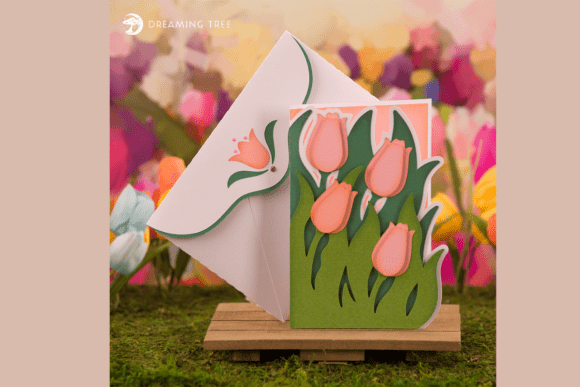
In an era dominated by digital communication, the tactile warmth of a handmade card retains a unique power to convey emotion. Among the myriad of designs available to modern crafters, the Tulip Greeting Card SVG stands out as a sophisticated choice for those seeking to blend traditional paper crafting with modern precision technology. This design is not merely a static image; it is a blueprint for creating a three-dimensional keepsake that captures the delicate beauty of spring blooms through layered paper artistry.
The appeal of this specific design lies in its ability to transform flat sheets of cardstock into a vibrant, dimensional bouquet. By utilizing vector-based cutting files, creators can achieve intricate details that would be nearly impossible to replicate by hand with scissors alone. The result is a greeting card that serves as both a message carrier and a piece of decorative art, suitable for framing or display long after the occasion has passed.
The Art of Layered Paper Design
At the heart of the Tulip Greeting Card SVG is the concept of layering. Unlike standard printed cards, this design relies on the physical stacking of multiple paper elements to create depth, shadow, and texture. Each tulip petal, leaf, and stem is cut as a separate component, allowing the crafter to assemble them in a specific order that mimics the natural growth patterns of the flower.
This dimensional approach adds a significant level of visual interest. When light hits the raised surfaces of the paper, it creates subtle shadows that enhance the realism of the bouquet. The use of foam adhesive squares is critical in this process, as it lifts the top layers off the base, providing the necessary elevation to achieve the intended 0.25-inch depth. This technique transforms a simple two-dimensional silhouette into a dynamic sculpture that invites the viewer to look closer.
Furthermore, the elegance of the design is amplified by the interplay of colors. The SVG format allows for unlimited customization, meaning that the color palette is entirely dependent on the creator’s vision. Whether one chooses soft pastels for a gentle spring vibe or bold, contrasting hues for a modern aesthetic, the underlying structure of the design supports a wide variety of artistic expressions.
Technical Specifications and Compatibility
For digital crafters, the technical integrity of a design file is paramount. The Tulip Greeting Card SVG is engineered for compatibility with a broad range of cutting machines and software platforms. Because it is delivered in SVG (Scalable Vector Graphics) format, the design maintains its crisp edges and precise lines regardless of how much it is resized. This scalability is a crucial feature, ensuring that the intricate details of the tulip petals do not become pixelated or distorted when adjusted to fit different project sizes.
The design is optimized for standard 12x12 inch cutting mats, which are the industry standard for most desktop cutting machines. However, its flexibility allows it to be scaled down for smaller projects or up for larger wall art, provided the user adjusts their material settings accordingly. It is important to note that while the original dimensions are set at 7 inches high by 5 inches wide, the final output may vary slightly depending on the specific machine calibration and the resizing choices made by the user.
To assist in the assembly process, the package includes a PDF legend. This document serves as a visual map, helping users identify each individual piece within the complex array of cut files. For beginners, this legend is an invaluable tool that reduces confusion and ensures that every layer is placed correctly during the assembly phase.
Material Selection and Color Theory
The choice of materials plays a decisive role in the final appearance of the card. The recommended supply list suggests a combination of solid cardstocks and patterned papers to create visual contrast and depth. For instance, using white cardstock as the base provides a clean, neutral canvas that allows the colors of the tulips to pop. The inclusion of specific shades such as Peach, Peony, Spinach, and Emerald Gemstone offers a curated palette that mimics the natural tones of a real tulip garden.
Core’dinations paper, known for its smooth surface and vibrant color retention, is often recommended for the floral elements. The "Apple Martini Couture" paper, for example, adds a touch of whimsy and texture that can serve as an accent within the bouquet. Additionally, the use of ink for edging the paper pieces can add definition and highlight the layered effect, making each petal stand out more distinctly against its neighbors.
When selecting paper weights, it is advisable to use cardstock that is sturdy enough to hold its shape but flexible enough to be manipulated during assembly. An 80lb weight, such as Encore Cardstock, strikes an ideal balance between durability and ease of handling. Lighter papers may curl or fail to support the weight of the upper layers, while heavier boards might be difficult to fold or adhere properly.
Step-by-Step Assembly Workflow
Creating the Tulip Greeting Card SVG project involves a systematic workflow that begins with digital preparation and ends with physical assembly. The process typically follows these stages:
- Digital Preparation: Import the SVG file into your preferred cutting software. Use the PDF legend to assign colors to each layer if your software supports color-coded cutting. Arrange the pieces on the virtual mat to optimize material usage.
- Cutting: Load your chosen cardstock onto the cutting mat. Ensure the material is securely adhered to prevent shifting. Execute the cut, paying attention to blade depth and pressure settings to ensure clean cuts without tearing the paper.
- Weeding and Sorting: Once cutting is complete, carefully remove the excess material (weeding). Sort the pieces according to the PDF legend. This step is crucial for maintaining organization, as the design involves numerous small components.
- Embossing and Detailing: If desired, use an embossing folder to add texture to the background or specific floral elements. Apply ink to the edges of the petals to create depth and definition.
- Layering and Adhesion: Begin assembling the tulips by layering the petals from largest to smallest. Use liquid glue for flat connections and foam adhesive squares for elements that require elevation. Attach the completed flowers to the card base, arranging them in a balanced composition.
- Final Embellishments: Add finishing touches such as rhinestones or Liquid Pearls to the centers of the flowers or along the stems. These small details add a touch of sparkle and sophistication.
A step-by-step video tutorial is included with the design to guide users through this process. Visual instructions are particularly helpful for understanding the spatial relationships between layers and mastering the technique of applying foam adhesives neatly.
Versatility Across Occasions
One of the greatest strengths of the Tulip Greeting Card SVG is its versatility. While tulips are traditionally associated with spring and Easter, their symbolic meaning of perfect love and renewal makes them appropriate for a wide range of occasions. This design is equally suitable for Mother’s Day, birthdays, anniversaries, or simply as a gesture of appreciation.
For educators and hobbyists, this project offers an excellent opportunity to teach principles of design, color theory, and fine motor skills. The structured nature of the SVG file allows for consistent results, making it ideal for workshop settings where multiple participants are creating similar items. For business owners in the handmade goods sector, the professional finish of the card allows it to be marketed as a premium product, appealing to customers who value craftsmanship and uniqueness.
Moreover, the inclusion of an envelope template in the design package ensures that the final product is ready for gifting. The envelope can be customized to match the card, creating a cohesive presentation that enhances the overall impact of the gift.
Enhancing Creativity with Customization
While the provided design offers a complete and polished look, it also serves as a foundation for further creativity. Advanced crafters may choose to modify the SVG file to add additional elements, such as butterflies, bees, or personalized text. The open nature of the vector format allows for easy editing in graphic design software, enabling users to tailor the design to specific themes or branding requirements.
Experimentation with different paper textures can also yield unique results. Instead of standard cardstock, one might use vellum for a translucent effect, metallic paper for a luxurious feel, or recycled paper for an eco-friendly approach. Each material choice alters the character of the final piece, allowing for endless variations on the same core design.
In conclusion, the Tulip Greeting Card SVG represents a harmonious blend of technology and tradition. It empowers creators to produce high-quality, dimensional art with precision and ease. By understanding the technical requirements, material options, and assembly techniques, users can fully leverage this design to create heartfelt messages that resonate with recipients on a deeply personal level. Whether for personal enjoyment or commercial production, this design offers a rewarding crafting experience that celebrates the timeless beauty of nature through the medium of paper.