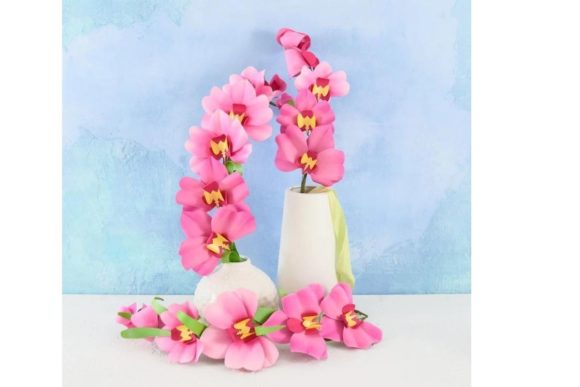
Strategic Design and Execution with Orchid Paper Flower Templates
In the realm of creative production, whether for small business branding, educational materials, or personal artistic endeavors, the distinction between a chaotic hobby and a scalable operation often lies in the quality of your foundational assets. Orchid Paper Flower Templates represent more than just a pattern to cut; they are a standardized unit of production that allows creators to achieve consistent, high-quality results with minimal friction. By leveraging pre-engineered designs available in versatile formats such as ♥ Printable PDFs for hand cutting, SVG cut files for machines like Cricut and Silhouette, and high-resolution PNG images, you transform a complex artistic challenge into a repeatable workflow.
The strategic value of these templates extends beyond mere convenience. For entrepreneurs and content creators, time is the most scarce resource. When you utilize a tested design system, you eliminate the trial-and-error phase of prototyping. This article explores how to integrate these digital assets into your workflow intentionally, ensuring that every hour spent crafting contributes to broader goals such as brand consistency, customer satisfaction, or skill acquisition.
Aligning Format with Operational Capacity
One of the first decisions you must make when adopting Orchid Paper Flower Templates is selecting the file format that aligns with your current operational capacity and end-goal. The availability of multiple formats—PDF, SVG, PNG, and DXF—is not merely a feature list; it is an invitation to choose the right tool for your specific context.
- SVG Cut Files: If your goal is volume and uniformity, SVG files are indispensable. Compatible with electronic cutting machines like Cricut and Silhouette, these vector files allow for precise, rapid production. This is ideal for small business owners creating inventory for weddings, events, or retail. The machine handles the intricacy, allowing you to focus on assembly and finishing.
- Printable PDFs: For educators, workshop leaders, or those who value the tactile mindfulness of hand-cutting, PDFs are the superior choice. They require no specialized machinery, lowering the barrier to entry. This format supports community-building activities where the process is as valuable as the product.
- PNG Images: These are essential for digital mockups, marketing materials, or hybrid projects where you might be combining physical crafts with digital design elements. They allow you to visualize the final product before committing resources to physical production.
- DXF Files: Available upon request, these cater to users of specific industrial or legacy software, ensuring that no technical constraint limits your ability to execute the design.
Choosing the wrong format can lead to inefficiencies. Using a PDF for a large-scale commercial order will bottleneck your productivity, while using an SVG for a casual, meditative afternoon craft may remove the therapeutic benefit of manual cutting. Assess your volume needs and equipment availability before downloading.
Standardization as a Branding Tool
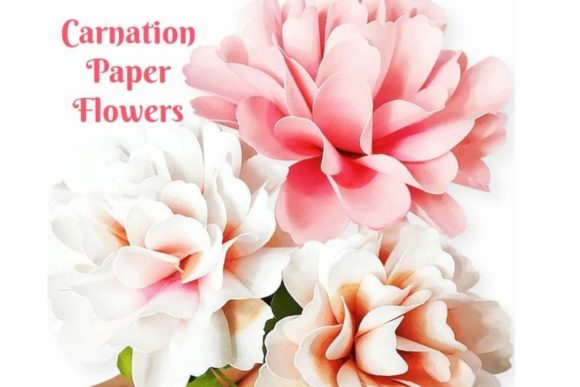
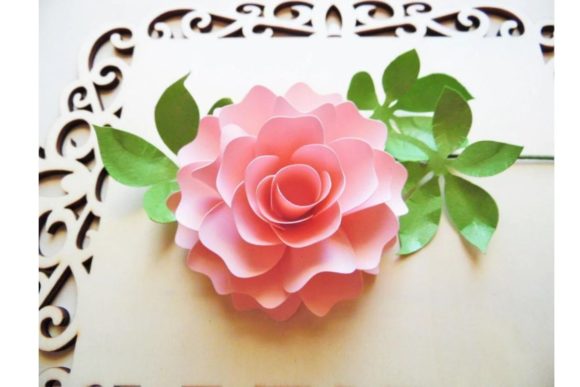
Consistency is the cornerstone of professional branding. When you use Orchid Paper Flower Templates, you are ensuring that every unit produced meets a specific aesthetic standard. The template dictates that the flower will measure about 3.75-4 inches unless altered. This predictability is crucial for planning packaging, shipping costs, and display arrangements.
For marketers and decision-makers, this standardization allows for accurate forecasting. You know exactly how much cardstock is required per unit. You know the approximate time investment for assembly. This data enables you to price your products correctly, ensuring profitability rather than operating at a loss due to underestimated labor or material waste. The templates work with standard 8.5 x 11 cardstock, which is widely available and cost-effective. By sticking to 65 lb weighted cardstock, as recommended, you ensure durability without requiring expensive, hard-to-source materials.
The Role of Instructional Assets in Skill Acquisition
A template without guidance is merely a shape. The inclusion of a full step-by-step video tutorial transforms the Orchid Paper Flower Templates from a static product into an educational experience. For professionals looking to upskill or teams needing training, this video asset reduces the learning curve significantly.
Consider the risk of attempting complex paper engineering without visual guidance. The likelihood of error increases, leading to material waste and frustration. The tutorial ensures that the technique—how to curl the petals, where to apply the hot glue, and how to layer the components for depth—is communicated clearly. This supports better outcomes not just in the final product, but in the confidence of the creator. For educators, this means you can assign the project with the assurance that students have access to clear, repeatable instructions.
Strategic Supply Chain and Resource Management
Effective planning requires a clear understanding of your supply chain. The requirements for this project are minimal but specific: scissors, a glue gun, and 65 lb cardstock. By defining these needs upfront, you can streamline your procurement process.
Using 65 lb cardstock is a strategic choice. Lighter paper may lack the structural integrity to hold the shape of the orchid’s intricate petals, while heavier stock may be difficult to curl or cut cleanly without industrial tools. Sticking to this weight ensures a balance between ease of manipulation and final durability. Furthermore, because the templates are optimized for 8.5 x 11 sheets, you minimize paper waste. Efficient nesting of the pattern pieces on the sheet maximizes yield, reducing the cost per unit.
Before beginning production, conduct a quick audit of your supplies. Ensure your glue gun is heated and functioning, and that your scissors are sharp. Dull tools lead to jagged edges, which detract from the professional appearance of the final flower. This attention to detail reflects a broader operational mindset: preparation prevents poor performance.
Risk Mitigation and Intentional Use
While Orchid Paper Flower Templates simplify the creation process, relying on them without clear intent can lead to diminishing returns. Creating flowers simply for the sake of activity is not a strategy. To derive long-term value, you must anchor the activity in a specific objective.
Are you creating these for a wedding centerpiece? Then focus on color coordination and bulk efficiency. Are you using them for a classroom lesson on botany or geometry? Then emphasize the structural aspects and the precision of the cut. Are you building a product line? Then focus on speed and consistency.
Without this context, you risk accumulating inventory that serves no purpose, or spending time on a craft that does not align with your broader goals. Avoid the trap of "busy work." Every sheet of cardstock cut should contribute to a defined outcome. If the goal is relaxation, acknowledge that as the primary metric of success. If the goal is revenue, track your time and materials meticulously.
Execution Workflow for Optimal Results
To maximize the utility of these templates, follow a structured workflow:
- Preparation: Download the appropriate file format (SVG for machine, PDF for hand). Review the video tutorial to understand the assembly sequence.
- Material Selection: Choose your 65 lb cardstock. Consider the color palette in relation to your end-use. Test cut a single petal to ensure your blade or scissors are performing correctly.
- Production: Cut all necessary pieces. If using a machine, batch your cuts to save time. If cutting by hand, create an assembly line process to maintain rhythm and consistency.
- Assembly: Follow the video guide for layering. Use the glue gun sparingly to avoid visible residue. Allow the glue to set properly before handling the flower extensively.
- Quality Control: Inspect each flower for symmetry and structural integrity. Discard or repair any units that do not meet your standards.
This systematic approach ensures that you are not just making a craft, but executing a plan. It shifts the mindset from amateur experimentation to professional production.
Long-Term Value and Scalability
The true power of Orchid Paper Flower Templates lies in their scalability. Once you have mastered the process, you can replicate it indefinitely. This allows you to take on larger projects with confidence. For businesses, this means you can accept larger orders without fearing quality degradation. For educators, it means you can prepare materials for entire classes efficiently.
Furthermore, the skills developed through this process—precision, patience, spatial reasoning, and resource management—are transferable. They enhance your overall capability as a creator and operator. By starting with a well-designed template, you build a foundation of competence that can be applied to more complex projects in the future.
In conclusion, treat these templates not as a shortcut, but as a strategic asset. They provide the structure necessary for high-quality output, allowing you to focus on the creative and strategic aspects of your work. Whether you are a solo entrepreneur, a marketing manager, or an educator, the intentional use of these resources will lead to better decisions, higher efficiency, and more satisfying results. Remember to request DXF files if your workflow requires them, and always refer to the included video tutorial to ensure best practices are followed. With the right planning and execution, these simple paper flowers can become a significant component of your creative or commercial success.