Graduation Money Cake DIY Gift Design Guide
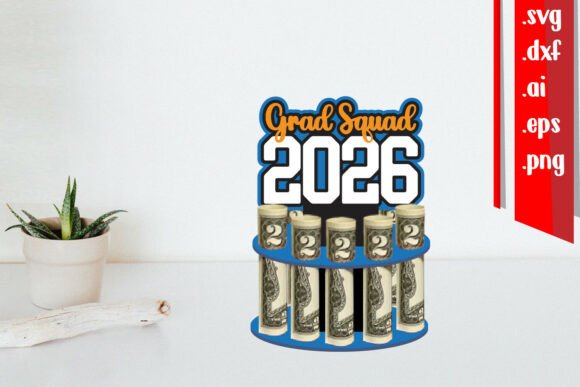
Creative gifting has evolved into a sophisticated form of personal expression, where the presentation is just as impactful as the gift itself. For designers and craft enthusiasts, the Graduation Money Cake DIY Gift represents a unique intersection of structural design and sentimental value. This innovative concept transforms traditional currency gifting into a visually stunning centerpiece, requiring precise digital assets to achieve a professional finish. By leveraging high-quality vector files, creators can ensure that every fold, cut, and layer aligns perfectly, resulting in a polished final product that exudes care and creativity.
The Role of Precision in Modern Craft Design
From a graphic design perspective, the success of any paper-based project relies heavily on the integrity of the source files. When working with intricate designs like the Birthday Money Cake papercut 10 Hole design, scalability and clarity are paramount. Vector formats such as SVG, DXF, AI, and EPS allow for infinite resizing without loss of quality, ensuring that cut lines remain sharp whether the project is scaled for a small desk ornament or a large display piece. This flexibility is crucial for maintaining visual hierarchy and ensuring that the structural elements function as intended.
The availability of multiple file formats in an instant digital download zip file empowers users across various platforms. Whether you are using a Cricut, Silhouette, or laser cutter, having access to compatible files streamlines the design workflow. This versatility supports a seamless transition from digital concept to physical reality, reducing errors and material waste. For professional designers, this level of compatibility is essential when creating templates for clients who may use different software ecosystems.
Enhancing Brand Identity Through Custom Gifts
While often seen as a personal item, the principles behind the Graduation Money Cake DIY Gift can be applied to corporate branding and marketing materials. Companies looking to strengthen brand identity can utilize similar structural design techniques for packaging design or promotional merchandise. The attention to detail required for these paper crafts mirrors the precision needed in logo design and typography selection. By incorporating custom colors and branded elements into the design, businesses can create memorable unboxing experiences that resonate with their audience.
Consider the following applications for structured paper designs in professional contexts:
- Packaging Design: Creating unique box structures that stand out on shelves.
- Event Invitations: Using layered paper cuts for high-end wedding or corporate event invites.
- Social Media Graphics: Photographing the assembly process for engaging digital marketing content.
- Editorial Design: Incorporating 3D elements into magazine layouts for visual impact.
Optimizing Visual Appeal and Usability
To maximize the effectiveness of these creative assets, designers must focus on consistency and readability. The 10 Hole design shown in the images requires careful alignment to ensure that the money inserts are secure yet accessible. This balance between aesthetics and functionality is a core principle of UX design. Just as a website interface must guide users intuitively, a physical gift must guide the recipient through the experience of unveiling the contents.
Color palette selection also plays a vital role in the overall perception of the design. For graduation themes, traditional school colors or metallic accents can enhance the celebratory mood. In contrast, birthday designs might benefit from vibrant, playful hues. Understanding color theory allows creators to evoke specific emotions and align the visual style with the occasion. Furthermore, proper typography on accompanying tags or cards can reinforce the message, adding a layer of sophistication to the presentation.
Practical Tips for Digital Asset Integration
When integrating these digital files into your creative projects, consider the following best practices to ensure a professional outcome:
- Verify File Compatibility: Ensure your cutting machine software supports the provided formats (SVG, DXF, AI, EPS, PNG) to avoid conversion errors.
- Test Cut Settings: Always perform test cuts on scrap material to adjust pressure and speed settings for clean edges.
- Maintain Layer Integrity: Keep design layers organized in your software to simplify editing and customization.
- Consider Material Weight: Choose cardstock weights that provide structural stability without compromising the delicate details of the papercut design.
Ultimately, the value of a well-designed template lies in its ability to elevate simple materials into something extraordinary. By focusing on modern aesthetics and professional presentation, creators can produce items that are not only functional but also visually compelling. Happy Crafting becomes more than a sign-off; it is a testament to the joy of creating something beautiful through thoughtful design choices.